

Not sure a mullet is for you? You’re not alone. Most guys ask the same three things. Will it look too loud at work? How long until the back grows in? Will my barber nail the blend?
Here’s the quick answer. The 12 best mid taper fade mullet styles are the classic, wavy, curly, textured, shaggy, scissorwork, fringe, business, burst fade, beard, design, and short low maintenance versions. Every one keeps the sides clean and the back longer.
Pick your style by hair type and workplace first. Then choose your back length in inches. This guide gives you both, plus the exact words to say in the chair.
Mid Taper Fade Mullet Explained: What Makes This Combo Work
A mid taper fade mullet haircut has short, neat sides and a longer back. The taper starts around the middle of the sides and shortens toward the ears and neckline. The top and back keep real length.
That’s the big difference from a standard mid taper. A regular taper blends the back down to match the sides. A mullet leaves it long on purpose.
The contrast is the whole point. Short on the sides gives you a clean frame. Longer at the back gives you attitude. A modern mid taper mullet just keeps that contrast tidy instead of shaggy and random.
Taper vs Fade vs Burst: The Quick Difference
People mix these words up all the time. A taper shortens hair gradually and usually stops at a visible length. A fade goes shorter, often down to skin.
A mid fade starts the blend around the temple level. A low one starts near the ear. A burst fade curves around the ear and fades out toward the nape.
Why does it matter? The burst fade mullet haircut leaves a lot of length at the back, so it suits mullets very well. A straight mid taper gives a cleaner, more classic look.
Why It’s Everywhere in 2026
Mullets keep showing up in barbershop reference photos and on social feeds. The shape feels retro, but the clean sides make it look fresh. That’s why mid taper fade mullet haircut trends 2026 lean toward tidy edges and soft texture.
There’s a practical reason too. Guys who are tired of the same short fade can keep their sides sharp and still grow the top and back. It feels like a change without a total reset.
A trendy mid taper fade mullet also works in photos. The side profile and the back look different, so every angle has something going on. That’s a big reason it gets saved and shared so often.
What’s pushing the shape right now:
- Clean sides keep the retro length looking current
- Easy to personalize with texture, a fringe, or a beard
- Looks good from every angle, front, side, and back
- Flexible length, from subtle to bold
Pros and Cons: What You’re Signing Up For
This cut gives you a clear look, but it asks for some patience. You’ll need regular trims on the sides. You’ll also need to let the back grow.
Here’s the honest trade-off before you book.
| Pros | Cons |
|---|---|
| Clear, memorable shape | Some workplaces may find it too bold |
| Works on straight, wavy, and curly hair | Needs real length at the back |
| Sides stay neat with regular trims | Grow out takes months |
| Easy to dial up or down | A rough blend looks unfinished |
| Great for texture and volume | Needs a barber who blends well |
12 Best Mid Taper Fade Mullet Styles
These are the best mid taper fade mullet styles we’d show a barber today. They run from subtle to loud. Read the whole list before you pick one.
Each style lists who it suits best. Match that to your hair and your daily life. Don’t just copy a photo.
Here’s the full list at a glance:
| Style | Best for | Back length | Upkeep |
|---|---|---|---|
| 1. Classic | Straight or thick hair | 3 to 5 in | Medium |
| 2. Wavy | Wavy hair | 3 to 5 in | Low |
| 3. Curly | Curly or coily hair | 3 to 5 in (cut a bit longer) | Medium |
| 4. Textured | Medium to thick hair | 3 to 5 in | Medium |
| 5. Shaggy | Medium to thick hair | 4 to 6 in | Medium |
| 6. Scissorwork | Straight to wavy hair | 3 to 5 in | High |
| 7. Fringe | Straight or wavy hair | 3 to 5 in | Medium |
| 8. Business | Straight or thick hair | 2 to 3 in | Low |
| 9. Burst fade | Curly, wavy, or thick hair | 4 in and up | High |
| 10. Beard | Men who want a rugged look | 3 to 5 in | Medium |
| 11. Design | Bold, personal styles | 3 to 5 in | High |
| 12. Short low maintenance | Busy guys and first timers | 1 to 2 in | Low |
Classic Cuts: The Everyday Options
These three are the easiest way in. They keep the shape clear without going wild. If you’ve never worn a mullet, start here.
1. Classic Mid Taper Mullet

The classic mullet with mid taper fade is the base version. Sides stay short and clean, and the back sits about 3 to 5 inches long. It looks balanced from the front and the side.
It’s the cut to show a barber when you want a safe first try. Style it with a little paste and finger comb it back.
Best for: Straight or thick hair
2. Wavy Mid Taper Mullet

A wavy mid taper fade mullet lets your natural bend do the work. The waves give the back soft movement. That softens the line between the taper and the length.
Say your waves sit just past your collar. They’ll flip out slightly and look styled even on lazy mornings. A little sea salt spray is enough.
Best for: Wavy hair
3. Curly Mid Taper Mullet
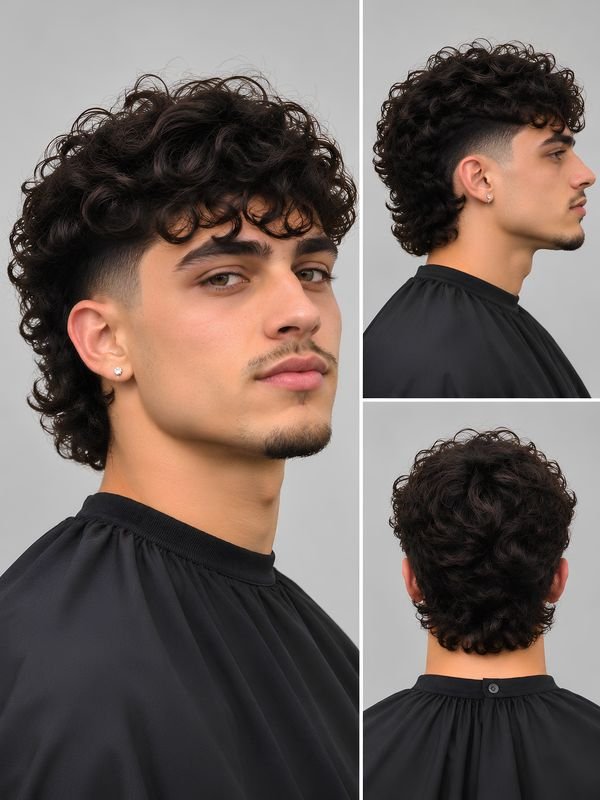
The curly mid taper fade mullet is one of the boldest options. The curls add volume and shape at the back. The clean taper keeps the sides from fighting with all that texture.
Here’s a tip. Curls shrink when dry, so ask your barber to cut the mid taper mullet with curly back a bit longer than you want. Wet curls can look two inches longer than they really are.
Best for: Curly or coily hair
Textured Cuts: More Movement, More Attitude
These lean into rough edges and loose layers. They look best when you don’t brush them smooth. Texture is the point here.
4. Textured Mid Taper Mullet
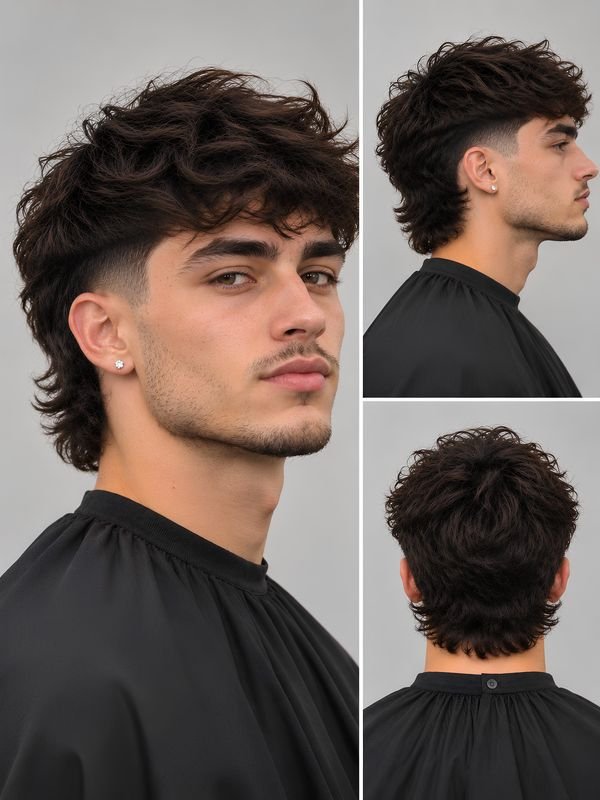
The mid taper mullet with textured top adds choppy layers up front and across the crown. A matte product breaks the hair into pieces. The finish looks lived in, not polished.
This is a good pick if your hair is flat and you want more body. Point cutting from your barber builds that movement. It’s a textured mid taper fade mullet that fits most days.
Best for: Medium to thick hair
5. Shaggy Mid Taper Mullet

Shaggy styles use more layers and a looser back. The look sits halfway between a mullet and a shag. A messy mid taper mullet like this works because the taper still keeps the sides tight.
A fluffy mid taper fade mullet is a close cousin. Blow dry the top with your fingers and add a bit of cream. You get volume without stiffness.
Best for: Medium to thick hair
Must Read This 12 Best Mid Taper Fade Textured Fringe Styles for Men (2026)
Detail Work: Built for Barbers Who Cut
These cuts depend on skill more than clippers. The details change how the finished shape reads. Ask around for a barber who does this well.
6. Mid Taper Mullet with Scissorwork

Here the back and crown are shaped with scissors, not clippers. Barbers often use point cutting or slide cutting to soften the ends. The layers blend into each other.
Scissor over comb is a good tool where the taper meets the longer hair. It smooths that transition. Ask your barber how they plan to blend that line.
Best for: Straight to wavy hair
7. Mid Taper Mullet with Fringe
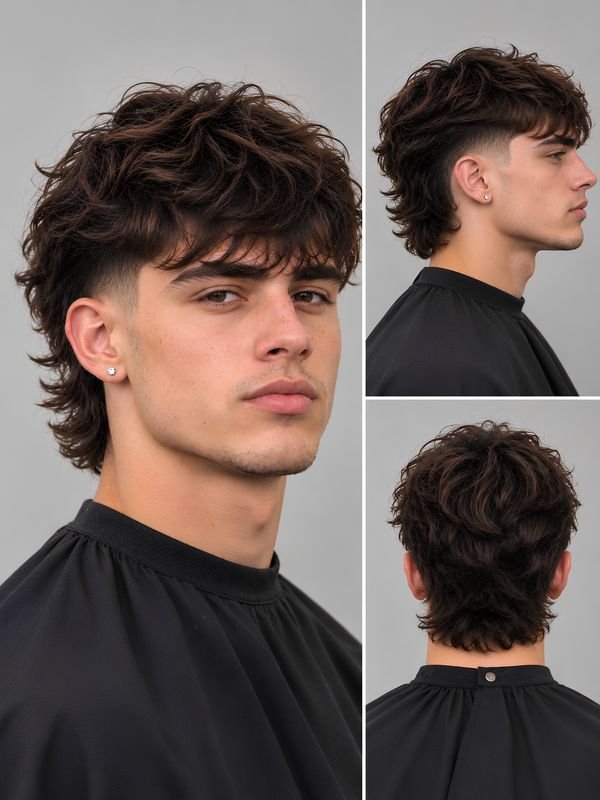
A mid taper mullet with fringe gives you two focal points. The front falls over the forehead, and the back hangs longer. The taper in the middle keeps everything neat.
Keep the fringe at brow length for a clean look. Go longer for a more relaxed feel. If you like fringes, our guide on mid taper fade fringe goes deeper.
Best for: Straight or wavy hair
Business-Friendly Versions
Not every office welcomes a big mullet. This version keeps the contrast subtle. You still get the shape without the stares.
8. Business Mid Taper Mullet
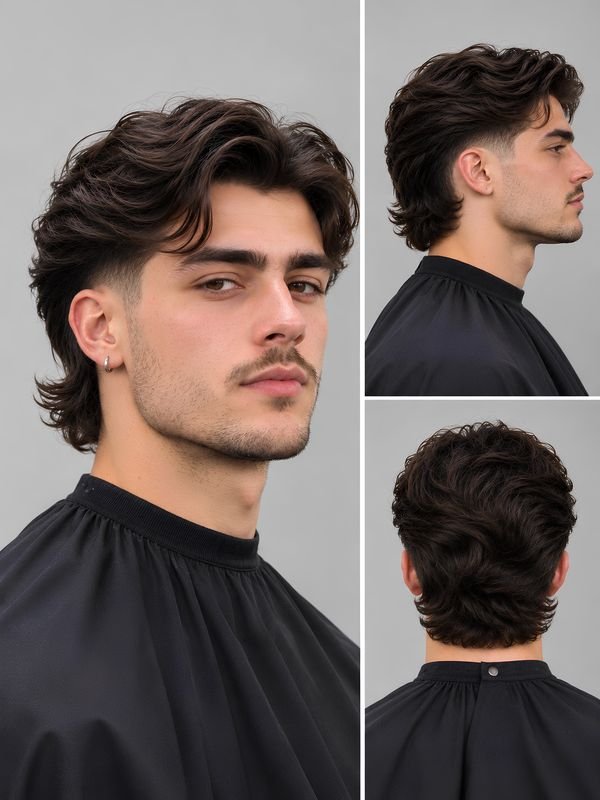
Sides and front stay short and clean. The back sits only about 2 to 3 inches long. It reads as a slightly longer neck, not a statement.
Tucked behind the ears or combed neat, it passes most dress codes. It’s the safest way to test the waters at work.
Best for: Straight or thick hair
More Styles Worth Asking For
These four fill the gaps most guides skip. They cover fades, beards, designs, and busy schedules. Each one solves a real problem.
9. Burst Fade Mullet

The burst fade curves around the ear, and the hair behind it stays long. That gives a sharp, rounded edge at the sides. It looks great from the back and the side.
It’s an edgy mid taper fade mullet when you add texture on top. Ask for a burst fade that blends into a mid taper at the front. Your barber will know what you mean.
Best for: Curly, wavy, or thick hair
10. Mid Taper Mullet with Beard
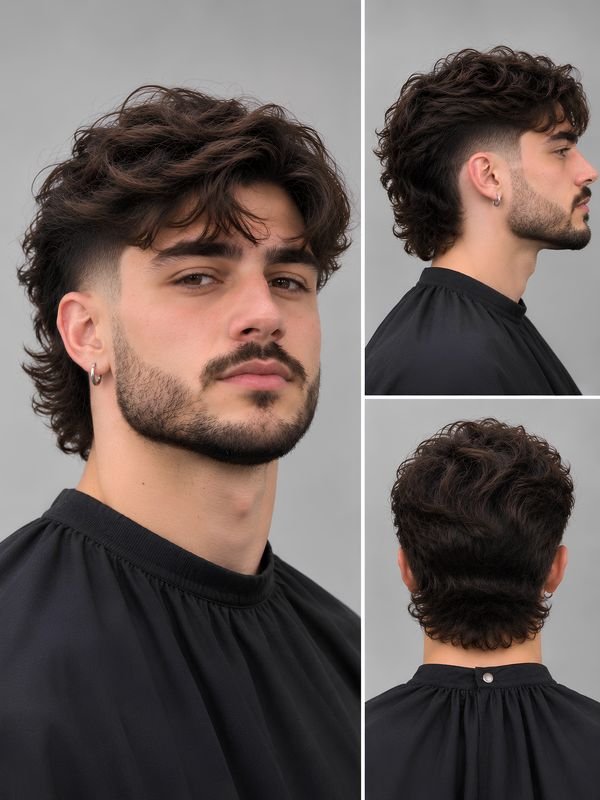
A mid taper fade mullet with beard works when the fade blends into the beard. The sideburn area should flow into the beard line. No sudden jump.
Keep the beard shorter than the back of your hair. That keeps the balance right. A short, shaped beard suits most face shapes.
Best for: Men who want a rugged but tidy look
11. Mid Taper Mullet with Design

A mid taper fade mullet with design adds a shaved line or pattern in the taper area. It could be a thin part line or a small shape. Keep it simple so it grows out well.
Designs show up best on skin or very short hair. They need a refresh every two weeks. If you love details, this one’s for you.
Best for: Guys who like bold, personal touches
12. Short Low Maintenance Mid Taper Mullet

The short mid taper fade mullet keeps the back to about 1 to 2 inches past the neckline. It’s a low maintenance mid taper mullet for busy mornings. Little styling, little fuss.
It’s a good in-between if you’re growing out. It also suits guys who want a hint of mullet without the commitment. A quick comb and some paste does the job.
Best for: Busy guys and first timers
Choosing by Hair Type: What Actually Holds the Shape
Your hair type decides how the mullet behaves. Some hair stands up. Some falls flat. Pick a style that works with it, not against it.
Here’s what to expect for each type.
Straight Hair
A mid taper fade mullet for straight hair shows a clean line between the taper and the back. That makes the cut look crisp. It also shows mistakes, so a good blend matters.
Straight hair can look flat at the back. Ask for light layers to add movement. A bit of texture spray helps hold it.
Wavy Hair
Waves give you built in texture. The back flips and bends without much effort. That makes wavy hair one of the easiest to wear as a mullet.
Let it air dry and scrunch in some cream. Don’t brush it out. Brushing turns waves into frizz.
Curly Hair
Curls add volume and shape. The back can look wide, so keep the taper tight to balance it. Ask your barber to cut it dry or damp to see the real length.
Use a curl cream and your fingers. A diffuser helps keep the shape. Moisture matters more than product build up.
Thick Hair
A mid taper mullet for thick hair holds shape well, but it can feel heavy. Thinning shears or texturizing take weight out of the back. That stops the mullet from turning into a helmet.
Thick hair also tends to flare at the sides. A clean taper keeps that in check. Regular trims matter here.
Thin Hair
A mid taper fade mullet for thin hair works best with a shorter back, around 2 to 4 inches. Very long thin ends can look stringy. Blunt ends look fuller than choppy ones.
Build volume at the crown and keep the sides tight. A texture spray adds grip. Skip heavy layering, since it can make thin hair look sparse.
Asian Hair
Many men with Asian mid taper fade mullet styles have straight, dense hair. That kind of hair tends to stand out at the sides. A clean taper keeps it neat.
Ask for point cutting at the back to soften the ends. Use a matte clay for hold. Straight, strong hair holds a mullet shape well.
Face Shape Matchups
The back length changes how your face looks. Too much volume in the wrong spot can stretch or widen it. Use these as a starting point, not a rulebook.
If you’re unsure about your face shape, take a front photo and ask your barber.
Oval Face
Oval faces suit almost any version. The proportions are already balanced. A classic or textured mullet both work.
Try a medium back length. Go bolder if you want to.
Round Face
Add a bit of height at the crown. It makes the face look longer. Keep the back from getting too wide.
A tighter taper helps too. It adds a sharper line at the sides.
Square Face
Square faces handle bold, textured versions well. The strong jaw balances the extra volume. A scissorwork mullet adds polish.
A soft fringe can ease the angles. Keep the sides short and clean.
Heart-Shaped Face
Keep the front simple and the top light. Extra volume near the temples can widen the upper face. Let the back carry the weight.
A side swept fringe works well. It balances the forehead and the chin.
Long Face
Pick a shorter back and avoid extra height on top. A very long mullet can stretch the face further. A business version is the safest bet.
A fringe shortens the face visually. Keep the sides fuller, not tight.
Diamond Face
Balance prominent cheekbones with texture on top and some fullness at the forehead or jaw. A soft fringe helps. Avoid too much width at the cheekbones.
A wavy or curly mullet works well here. The softness cuts the sharp angles.
Must Read This 15 Best Taper Fade Designs: Lines & Patterns for 2026
Rectangular Face
A moderate back length with texture fits best. Skip very long, straight hanging hair. It makes the face look longer.
Add some fringe or side volume. That breaks up the length.
Age Group Breakdown
Age matters less than your setting. A teen at school and a manager at a bank have different limits. Pick the version that fits your day.
Here’s how it tends to play out.
Teenagers
The mid taper fade mullet for teen boys can be as loud as you want, within school rules. Check the dress code first. Some schools limit length or color.
Teens can try shaggy and curly versions. It’s a good time to experiment. Just keep the sides neat.
Young Men
The classic, wavy, and scissorwork versions fit well here. They look stylish without going extreme. That works for college and early jobs.
A mid taper fade mullet for men in their twenties often lands in the middle. Bold enough to stand out, tidy enough for most settings.
Professional Men
A business version with 2 to 3 inches at the back reads safest. Keep the taper clean and the top neat. It looks polished.
Paste or cream gives a tidy finish. Avoid heavy texture for meetings. Save the messy look for weekends.
Men Over 40
Mullets work at any age when the sides stay sharp. Keep the back moderate and the top fuller. A neat taper makes it look current, not costume.
If your hairline is receding, keep the top longer and textured. That hides it better than a short top. Gray hair looks great with a clean taper.
Talking to Your Barber: The Exact Guard Numbers
Saying mullet alone isn’t enough. Barbers hear that word in many ways. Bring a photo and be specific about the back length.
Here are the guard sizes most clippers use. Sizes can vary by brand, so check yours.
- Guard 1: about 3mm
- Guard 2: about 6mm
- Guard 3: about 10mm
- Guard 4: about 13mm
For a mid taper, the sides usually start around a 3 near the top of the taper. They blend down to a 1 or skin at the hairline. The back stays long and is measured in inches.
Try saying this in the chair:
- Give me a mid taper, starting at the temple.
- Blend down to a 1 at the neckline.
- Leave about 4 inches at the back.
- Soften the blend where the taper meets the length.
Also choose a neckline. A natural neckline grows in softer. A tapered one looks sharper but needs more upkeep.
How Long Should the Back Be? An Inch Guide
Most people get stuck here. So here’s a simple guide. Measure from the nape.
- Short: 1 to 2 inches, subtle and easy
- Medium: 3 to 5 inches, the classic look
- Long: 6 inches or more, the boldest look
A long mid taper fade mullet needs more care. Split ends show more, and the hair can feel heavy. Expect trims every six to eight weeks to keep it healthy.
Not sure? Start medium. You can always go longer later.
Back View and Side View: What to Check Before You Leave the Chair
Ask your barber to hold up a mirror. The mid taper fade mullet back view shows the blend and the neckline. The mid taper fade mullet side view shows how the taper meets the length.
Look for a smooth fade with no harsh line. The neckline should look even. The back should flow naturally, not look chopped.
Quick mirror checklist:
- The fade has no hard line
- Both sides sit at the same height
- The neckline is even and clean
- The back length matches your photo
- The ends look soft, not chopped
Take photos from both angles. Save them for your next visit. They’ll make it easier to ask for the same cut.
Video Guide: Watch the Blend in Action
Watching a barber cut a mullet makes the blend easier to follow. Look for how they shape the taper and how they connect it to the back. Pay attention to the finishing steps.
[Embed barber tutorial video here]
Pause at the blend and note the technique. You can show the clip to your barber as a reference. It saves time and avoids confusion.
Common Mistakes That Ruin a Mid Taper Mullet
Most problems come down to poor communication. A rushed blend is the other usual culprit. Catch them early and you’ll save weeks.
- Vague back length. Leave it long means different things to different barbers. Give inches or show a photo.
- Skipping the blend. A hard line between taper and length looks unfinished. Ask for a soft transition.
- Too bold for the job. A shaggy mullet can look too casual at some offices. Pick a business version if you’re unsure.
- Ignoring hair texture. A cut that works on straight hair may fail on curls. Talk through your texture first.
- Letting the taper grow out. Overgrown sides stand out against the length. Touch up every two to three weeks.
- Cutting too soon. Trimming the back in a rush undoes your progress. Make a grow out plan with your barber.
How to Grow Out Into a Mullet
Hair grows about half an inch a month. So a back that’s 2 inches now can reach 4 inches in about four months. Plan around that number.
Keep the sides tidy while you wait. Fresh tapers make the growing back look planned. Without that, it can look scruffy.
Ask for light trims only at the back to remove split ends. Use a good conditioner. Patience pays off here.
Grow out tips that help:
- Trim only the split ends
- Keep the sides fresh every two to three weeks
- Use conditioner on the ends
- Take a photo each month to track your progress
Maintenance Reality Check
This cut needs two kinds of care. The sides need frequent touch ups. The back needs patience.
Here’s the routine that keeps it looking sharp.
| Task | How often | Why it matters |
|---|---|---|
| Taper touch up | Every 2 to 3 weeks | Keeps the contrast sharp |
| Design or skin fade refresh | About every 2 weeks | Lines blur fast on short hair |
| Natural neckline version | Up to 4 weeks | Grows in softer |
| Back trim | Every 6 to 8 weeks | Removes split ends, keeps length |
| Conditioner on the ends | Every wash | Longer hair dries out |
Taper Touch-Up Frequency
Book the sides every two to three weeks. Waiting longer makes the contrast fade. The back will look messy against fuzzy sides.
If you wear a design or a skin fade, aim for two weeks. A low maintenance mid taper mullet with a natural neckline can stretch to four.
Back Section Care
Trim the back only enough to clear split ends. Tell your barber to keep the length. A quarter inch every eight weeks is usually plenty.
Condition the back more than the rest. Longer hair is older hair, and it dries out. A leave in conditioner helps.
Daily Styling
Here’s how to style a mid taper fade mullet in under five minutes. Start with towel dried hair. Add a small amount of cream or texture spray.
- Straight hair: use paste and comb it back.
- Wavy hair: scrunch in sea salt spray and air dry.
- Curly hair: use curl cream and a diffuser.
- Thin hair: add volume at the roots with a light powder.
Use your fingers for the back, not a brush. That keeps the texture. Finish with a light hold spray if needed.
Washing Routine
Wash based on how oily your scalp gets. Some guys need every other day. Others can go longer.
Use a gentle shampoo and focus on the scalp. Conditioner goes on the ends. Skip heavy products that build up.
Easy washing rules:
- Shampoo the scalp, not the ends
- Condition the ends every wash
- Rinse with lukewarm water
- Skip heavy products that build up
Mullet vs Standard Mid Taper
A standard mid taper blends the back down to match the sides. A mullet leaves the back long. That’s the key difference.
If you want a uniform, low drama look, stay with the standard. If you want contrast, go mullet.
Mullet vs Wolf Cut
A wolf cut uses heavy layers all over. It blends a shag and a mullet. A mullet has a clear short side and long back.
Both can use a taper on the sides. But the top and back are treated differently. The wolf cut is shaggier and more layered.
Mullet vs Flow Cut
A flow cut keeps medium to long hair swept back evenly. There’s no clear contrast between front and back. A mullet has that contrast on purpose.
Pick flow for a smooth, even look. Pick a mullet for edge and contrast.
Frequently Asked Questions
What is a mid taper fade mullet?
It’s a haircut with short, tapered sides and a longer back. The taper starts mid height and shortens toward the neckline. The top and back stay long.
How much length do I need at the back for a mullet?
About 3 to 5 inches gives a classic look. Go 1 to 2 inches for subtle, or 6 inches and up for bold. Start medium if you’re not sure.
Does a mid taper mullet work with curly hair?
Yes, and it often looks great. Curls add volume and shape at the back. Ask your barber to leave extra length, since curls shrink.
How often do I need a touch up for the taper?
Every two to three weeks keeps the sides sharp. Designs and skin fades may need two. A natural neckline can last four.
Is a mid taper mullet appropriate for work?
A business version with 2 to 3 inches at the back usually is. Keep the top neat and the taper clean. Avoid shaggy styles at conservative offices.
What’s the difference between a mullet and a wolf cut?
A mullet has short sides and a long back. A wolf cut has heavy layers throughout. The wolf cut looks shaggier and less structured.
Can I grow into a mullet from a shorter cut?
Yes. Hair grows about half an inch a month. Most guys reach a medium length in four to six months.
Conclusion
A mid taper mullet works because it mixes a retro shape with a clean base. The best version depends on your hair, your face, and your day to day life. Start with the back length, then build the taper around it.
If you’re new, try the classic or business version. Save this guide before your barber visit. Bring a clear photo of the back length you want.
Have you tried one of these cuts? Share your experience in the comments. Send this to a friend who’s been thinking about it.
